Amblyopia Through the Lens of Germanic Healing Knowledge
When my daughter was around three years old, something unsettling began to happen.
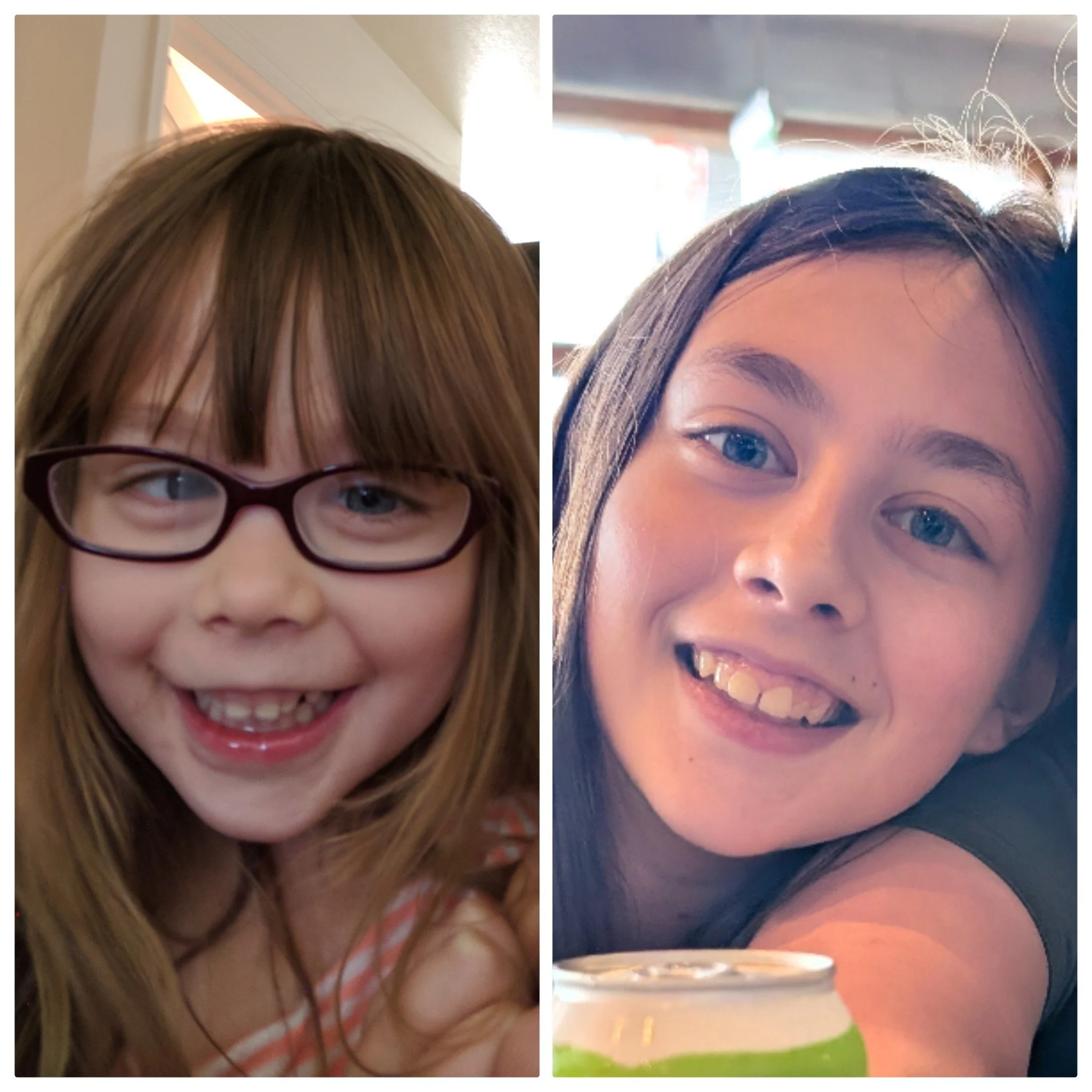
Whenever she looked at something up close, her left eye would turn inward, toward her nose. It wasn’t constant. It wasn’t dramatic. But it was unmistakable—and once you see something like that in your child, it changes the way you breathe.
We did what most parents would do.
We went to doctors.
She was diagnosed with amblyopia / strabismus, and the recommendation came quickly: surgery.
When Medical Certainty Feels Terrifying
What I wasn’t prepared for was not just the recommendation itself—but how forcefully it was delivered.
I was told:
it wasn’t her vision
it wasn’t her eye muscles
the surgery was largely aesthetic
it had only about a 20% chance of fully correcting the issue
and there was a strong likelihood of multiple surgeries over time
When I asked why surgery was necessary—what exactly it was correcting—I didn’t get a clear explanation. What I did get was pressure. One provider told me, explicitly, that I would be a bad mother if I didn’t move forward with the surgery. Another opinion was gentler in tone, but the message was the same:
“This is just how we treat this.”
There was talk of MRI scans, escalation, and an underlying sense that if I didn’t comply, I was being irresponsible.
And that is a uniquely terrifying place to be as a parent:
when your instincts say pause
but authority says act now
and you’re being asked to consent to invasive procedures
without a clear explanation of cause or necessity
I felt like I had to protect my child not just from a symptom, but from fear itself—from being medicalized, pathologized, and subjected to interventions that didn’t sit right in my body. At the time, I didn’t have a theory to explain why I was saying no. I just knew I needed more understanding before agreeing to something irreversible.
Choosing a Different Path
Instead of surgery, I found a neurological chiropractor who understood the brain–eye connection and gave us simple eye exercises to do together at home.
Later, after we moved to Colorado, we found an ophthalmologist who also specialized in vision therapy. When I told her the full story—and that we had declined surgery—she looked at me and said something I will never forget:
“You were right not to do the surgery. That wouldn’t have solved the problem.”
That moment brought immense relief. I cried in her arms. By then, the inward turning had already begun to soften. And as my daughter grew older, it resolved completely on its own.
What I Understand Now Through Germanic Healing Knowledge
At the time, I didn’t know about Germanic Healing Knowledge (GHK). I didn’t know about biological conflict programs, laterality, or functional neurological responses. Now, I do and when I look back, the story makes biological sense.
The Eyes, Germ Layers, and Functional Responses
In GHK, the eyes are not only visual organs. They are deeply tied to perception, contact, and separation. Parts of the visual system are derived from the ectoderm, controlled by the cerebral cortex, which governs:
separation conflicts
perception and recognition
functional adaptations rather than structural damage
This matters, because doctors repeatedly told us:
it wasn’t structural
it wasn’t muscular
it wasn’t vision loss
That already points away from a mechanical failure and toward a functional, neurological adaptation.
Laterality: Why the Left Eye Matters
My daughter is right-handed. In GHK, for right-handed individuals:
the left side of the body is associated with the mother/child bond
the right side with partners or peers
Her symptom appeared in her left eye. From this perspective, the inward turning reflects a visual separation conflict involving the mother. This does not mean abandonment or neglect.
In young children, separation conflicts can arise from:
changes in routine
emotional unavailability during stress
temporary absences
shifts that adults may not register as significant
To a child’s nervous system, any disruption in perceived contact can be meaningful.
Resolution Over Time
As my daughter grew:
her nervous system matured
her attachment field stabilized
the separation theme is completed
It took time. Several years, in fact. But today, she is 13 years old, with no evidence of this ever occurring again.
No surgery.
No MRI.
No lingering impairment.
Looking Back With Clarity
At the time, I trusted intuition under pressure.
Now, with the framework of Germanic Healing Knowledge, I trust biological logic. I also hold deep compassion for how frightening it is to:
question medical authority
feel judged for protecting your child
stand alone in uncertainty
Especially when the stakes feel enormous. This story isn’t about rejecting medicine. It’s about honoring discernment, asking better questions, and recognizing when a child’s body may need time, safety, and regulation, not intervention.
A Final Reflection
Sometimes, the most courageous parenting decision is not doing more—
but doing less, while staying present and attentive. My daughter’s body was not broken.
It was communicating. And given time, it reorganized beautifully.